
Soca music, Carnival anthems and Caribbean party classics
Soca belongs to the whole Caribbean. The music took shape in Trinidad's Carnival in the 1970s — where calypsonian Ras Shorty I blended calypso with the rhythms around him — and from there it travelled the island chain, taking root in every carnival it touched. Each island bent the sound to its own traditions, and each festival below has a history of its own worth knowing. SocaHits documents them all: this is one music with many homes.
Trinidad Carnival grew out of French colonial masquerade balls in the late 1700s, and was transformed after Emancipation in the 1830s by the formerly enslaved, whose Canboulay processions — named for the burning sugar cane — brought African drumming, stickfighting and street theatre into the festival. Out of that soil came calypso tents, the steelpan in the 20th century, and eventually soca itself. Today the season runs from Boxing Day to the two great street days of Carnival Monday and Tuesday: fetes, Soca Monarch, Panorama, Dimanche Gras, J'ouvert at dawn, and the Road March decided on the road. Tobago adds a flavour of its own, including its newer October carnival. It is the longest soca season in the world, and the music's centre of gravity.
Crop Over began centuries ago as the celebration marking the end of the sugar cane harvest on Barbados' plantations. The original festival faded in the 1940s as the sugar industry declined, then was revived in 1974 as a national festival — and grew into Barbados' biggest season. Weeks of calypso and soca tents, monarch competitions and fetes build to Grand Kadooment, the costumed street parade that closes the festival. Bajan soca has its own sweet, groovy signature and its own giants: Alison Hinds, Rupee, Edwin Yearwood, Lil Rick and many more.
Grenada's carnival carries French colonial and African roots, reshaped after Emancipation into something fierce and unmistakably Grenadian. Spicemas, now held in August, is famous above all for jab jab — masqueraders covered in oil, wearing horns and chains, a tradition reaching back to the earliest post-slavery celebrations — alongside Shortknee and Vieux Corps mas. The music matches the mas: some of the fastest, hardest power soca in the Caribbean, led by artists like Tallpree, the Jab King. Raw, defiant and proud.
St. Vincent's carnival was once a pre-Lenten festival like Trinidad's; in 1977 it was moved to the summer, becoming Vincy Mas — a June–July season of shows, monarch competitions and street parades. Small island, outsized contribution: Vincentian artists and writers have powered soca across the region, from Kevin Lyttle's worldwide hit “Turn Me On” to Skinny Fabulous, one of the defining soca performers of his era, and songwriters whose work fills other islands' seasons too.
St. Lucia's carnival, like several in the region, was moved from the pre-Lenten slot to July (in 1999) and has grown into a major summer festival of bands, monarch competitions and fetes. The island also gave soca one of its newest branches: Dennery segment, the fast, percussive sound named for the east-coast village of Dennery, which travelled from local parties to influence soca production across the Caribbean.
Antigua's carnival dates to 1957 and is held in late July and early August, timed to the anniversary of Emancipation — a festival of freedom as much as music. Calypso and soca monarch competitions anchor the season, carried by artists such as Claudette “CP” Peters and Tian Winter. The northern islands hold another chapter of the soca story too: Montserrat's Arrow gave the music its first worldwide anthem in “Hot Hot Hot.”
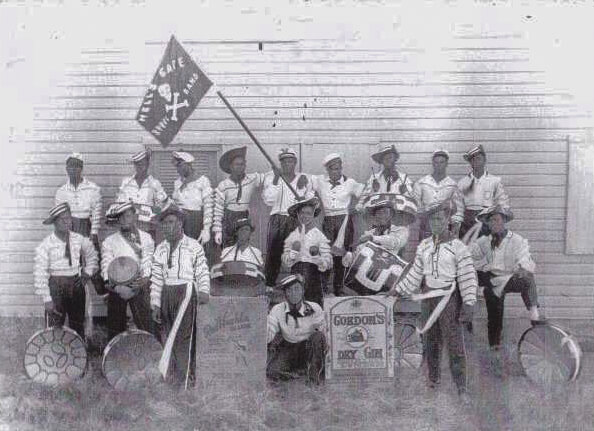
On the South American mainland, Guyana celebrates Mashramani — “Mash,” an Amerindian word for a celebration after hard work — every February, marking the country's Republic anniversary (1970). Costume bands, calypso and soca competitions and street parties fill the season. Guyana is also a heartland of chutney soca, the Indo-Caribbean branch of the music that blends Indian rhythms and Hindi-English lyrics with the soca beat — a tradition it shares with Trinidad and Suriname, and one rooted in the same musical ingredients that soca was created from.
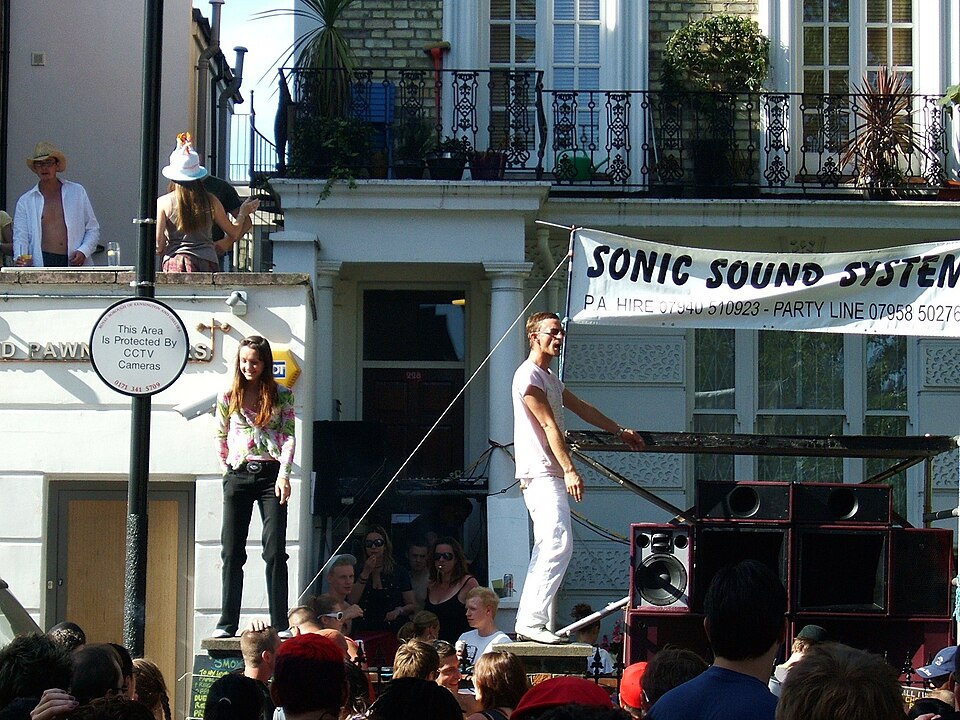
Where Caribbean people went, carnival followed. Toronto's Caribbean Carnival, Brooklyn's Labor Day parade, Miami Carnival and London's Notting Hill Carnival — founded in the 1960s by the Caribbean community there — are among the largest Caribbean festivals anywhere, and all of them run on soca. Diaspora producers and artists now feed hits back into the island seasons, and every year the faithful fly home for the real thing. One music, many homes — and a family spread across the world.